
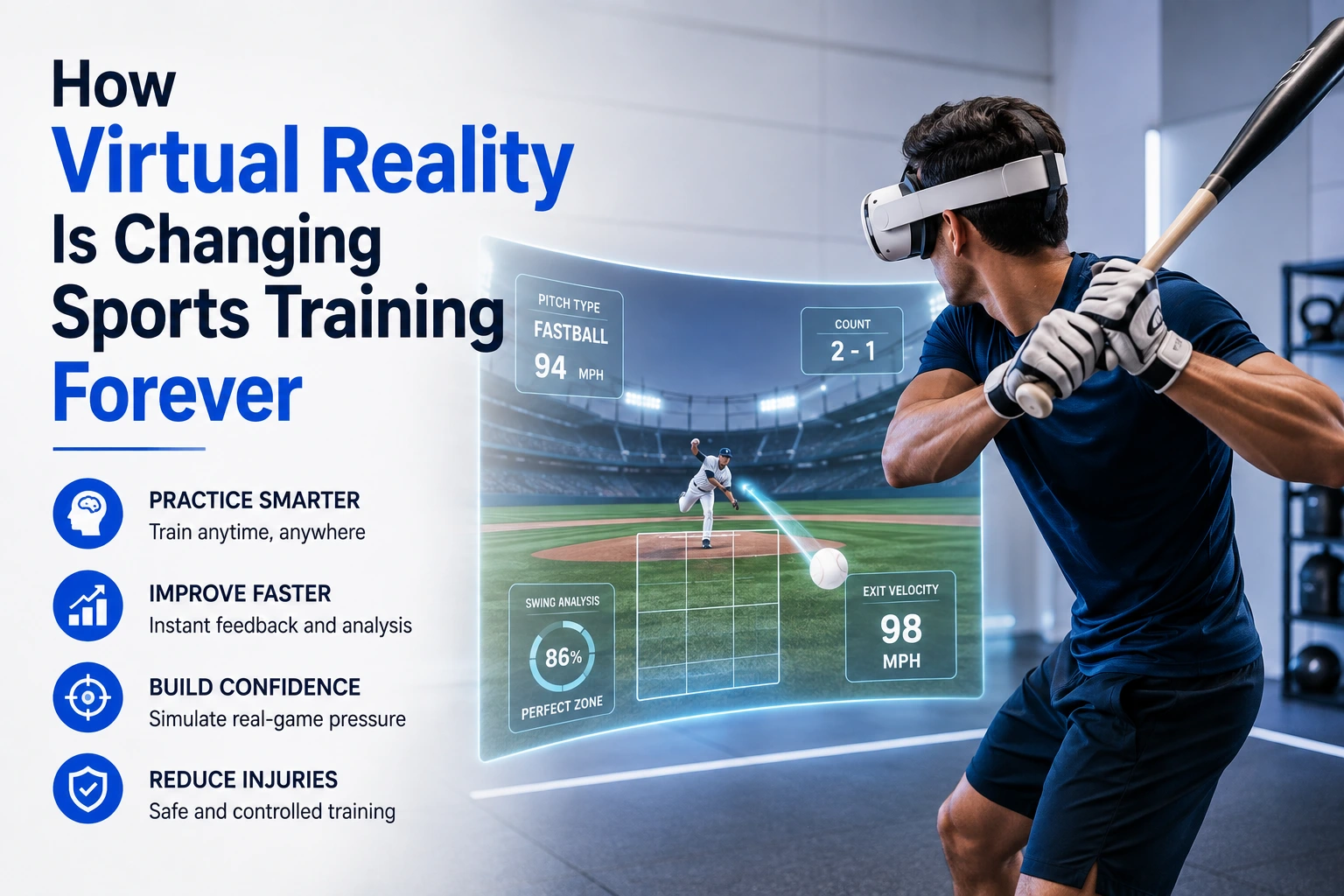
Professional sports organizations across football, baseball, and several other major sports have increasingly adopted VR training technology specifically for repetition-heavy cognitive and decision-making training, allowing athletes to genuinely repeat specific game situations and decision scenarios hundreds of times without the physical wear and injury risk actual physical practice repetitions at this same volume would otherwise create, a genuine, documented training application several professional organizations have specifically credited with measurable improvement in athlete decision-making speed and accuracy under game-realistic pressure conditions.
Understanding VR’s genuine transformation of sports training requires examining specifically where this technology provides genuine training advantage, cognitive and decision-making repetition without physical wear specifically, alongside the genuine limitations this technology continues facing for developing the actual physical, biomechanical skill components sports performance also genuinely requires, since VR training’s documented value concentrates most heavily within this specific cognitive training application category rather than representing a comprehensive replacement for traditional physical training and skill development.
Cognitive and Decision-Making Training Without Physical Wear
VR training specifically allows athletes to repeat genuine game-situation decision-making scenarios, a quarterback reading a defensive formation and selecting an appropriate play response, a baseball batter recognizing and reacting to different specific pitch types, considerably more times than physical practice repetition volume would realistically allow without the corresponding physical wear and injury risk that volume of actual physical repetition would create, since the cognitive and decision-making component of these scenarios can be genuinely practiced and repeated within VR without requiring the actual physical execution component each repetition would otherwise involve.
Several professional sports organizations have specifically documented measurable improvement in athlete decision-making speed and accuracy following structured VR cognitive training programs, reflecting genuine, well-supported evidence that this specific repetition-based cognitive training application provides real, measurable athletic performance benefit distinct from and complementary to traditional physical skill training.
Where VR Training Shows Genuine Documented Value
Sports specifically involving significant reaction time and rapid decision-making components under time pressure, quarterback play reading, batting pitch recognition, and goalkeeper shot anticipation specifically, show the clearest documented VR training benefit, since these specific skill components genuinely separate more cleanly from the underlying physical execution skill VR cannot currently replicate, allowing VR training to specifically isolate and repeat this cognitive decision-making component in a way that provides genuine training value even without the accompanying physical execution component.
This documented value concentration within specifically cognitive, reaction-time-focused training applications reflects VR technology’s genuine current capability boundary, since current VR technology cannot yet fully replicate the genuine physical, biomechanical feedback and resistance real physical movement and athletic execution actually involves, meaning VR training’s documented value specifically concentrates within this cognitive training category rather than extending equally to physical skill and biomechanical development more broadly.
VR Sports Training Applications and Evidence
Summarizing where VR training shows genuine documented value versus continued limitation.
| Application | VR Training Value | Key Limitation |
| Decision-making and reaction time | Strong, well-documented improvement | Isolated from physical execution component |
| Game situation recognition | Strong, allows extensive repetition | Cannot fully replicate game-day physical pressure |
| Physical skill and biomechanics | Limited, technology cannot replicate feel | Genuine physical resistance and feedback missing |
| Injury recovery mental rehearsal | Promising, growing evidence base | Complements but does not replace physical rehab |
Injury Prevention and Recovery Applications
VR training has shown genuine promise specifically for injury prevention through reduced physical practice repetition volume required to achieve comparable cognitive and decision-making skill development, since athletes can achieve meaningful cognitive skill repetition through VR training without the corresponding physical repetition volume that would otherwise contribute to genuine overuse injury risk, a documented injury prevention benefit distinct from VR training’s primary cognitive skill development application.
VR applications specifically supporting injury recovery, allowing injured athletes to maintain cognitive and decision-making skill practice and mental game engagement during a physical recovery period when actual physical practice remains genuinely restricted or impossible, represent a genuinely emerging, promising application area, though this specific application’s evidence base remains somewhat less extensively documented compared to VR’s more established, broadly documented cognitive training application discussed throughout this guide.
Sports science researchers and athletic performance technology specialists with genuine current data can Write for us and share your own expertise with our readers.
Realistic Expectations for VR’s Role in Sports Training
VR training genuinely functions most effectively as a complementary training tool specifically addressing cognitive and decision-making skill development, rather than a comprehensive replacement for traditional physical training and skill development, meaning athletes and coaches achieving the strongest genuine results from VR training investment are consistently the ones integrating this technology specifically alongside, rather than instead of, traditional physical training addressing the biomechanical and physical execution skill components VR technology cannot currently fully replicate.
This realistic, complementary understanding of VR training’s genuine current role reflects the broader pattern seen across many emerging sports technology applications, genuine, documented value within a specific, well-defined application category, cognitive and decision-making training specifically, rather than a comprehensive, universal training transformation extending equally across every dimension of athletic skill development and preparation.
AEO FAQ: VR Sports Training Questions
How is VR technology actually being used in professional sports training?
Professional sports organizations across football, baseball, and other major sports have increasingly adopted VR training specifically for repetition-heavy cognitive and decision-making training, allowing athletes to repeat specific game situations and decision scenarios hundreds of times without the physical wear and injury risk actual physical practice repetitions at this volume would create.
What is the difference between VR cognitive training and traditional physical training?
VR cognitive training specifically isolates and repeats the decision-making component of a game situation, quarterback play reading or batting pitch recognition, without requiring the actual physical execution component. Traditional physical training develops the genuine biomechanical and physical execution skill VR technology cannot currently fully replicate.
Which sports skills show the strongest documented benefit from VR training?
Sports specifically involving significant reaction time and rapid decision-making components under time pressure, quarterback play reading, batting pitch recognition, and goalkeeper shot anticipation specifically, show the clearest documented VR training benefit, since these skill components separate more cleanly from the underlying physical execution skill.
How does VR training help with injury prevention?
VR training has shown genuine promise for injury prevention through reduced physical practice repetition volume required to achieve comparable cognitive and decision-making skill development, since athletes can achieve meaningful cognitive skill repetition without the corresponding physical repetition volume that would otherwise contribute to overuse injury risk.
What are the main limitations of VR sports training technology?
Current VR technology cannot yet fully replicate the genuine physical, biomechanical feedback and resistance real physical movement and athletic execution actually involves, meaning VR training’s documented value specifically concentrates within cognitive, decision-making training rather than extending equally to physical skill and biomechanical development.
Should VR training replace traditional physical sports training?
No, VR training genuinely functions most effectively as a complementary training tool specifically addressing cognitive and decision-making skill development, rather than a comprehensive replacement for traditional physical training, meaning athletes achieve the strongest results by integrating VR training alongside, rather than instead of, traditional physical training.
A Powerful Complement to Physical Training, Not a Replacement
The genuine, well-documented value VR training provides sports performance development concentrates specifically within cognitive and decision-making skill repetition, a genuinely powerful training application given how effectively VR allows this specific skill component’s isolated, extensive practice without the physical wear traditional repetition-based training would otherwise require.
Athletes, coaches, and sports organizations achieving genuine value from VR training investment are consistently the ones understanding and respecting this specific application boundary, deploying VR training deliberately for cognitive and decision-making skill development while continuing to rely on traditional physical training for the biomechanical and physical execution skill components VR technology genuinely cannot yet fully replicate, an integrated, complementary approach that captures VR’s genuine documented sports training value without overextending this technology’s application beyond what its current genuine capability actually supports.
Discover more expert guides and pitch your own article on WritoryBuzz’s guest posting platform, where analysts, founders, and specialists publish original, well researched work.