Home
Categories
Free Tools
Write For UsAbout UsContact

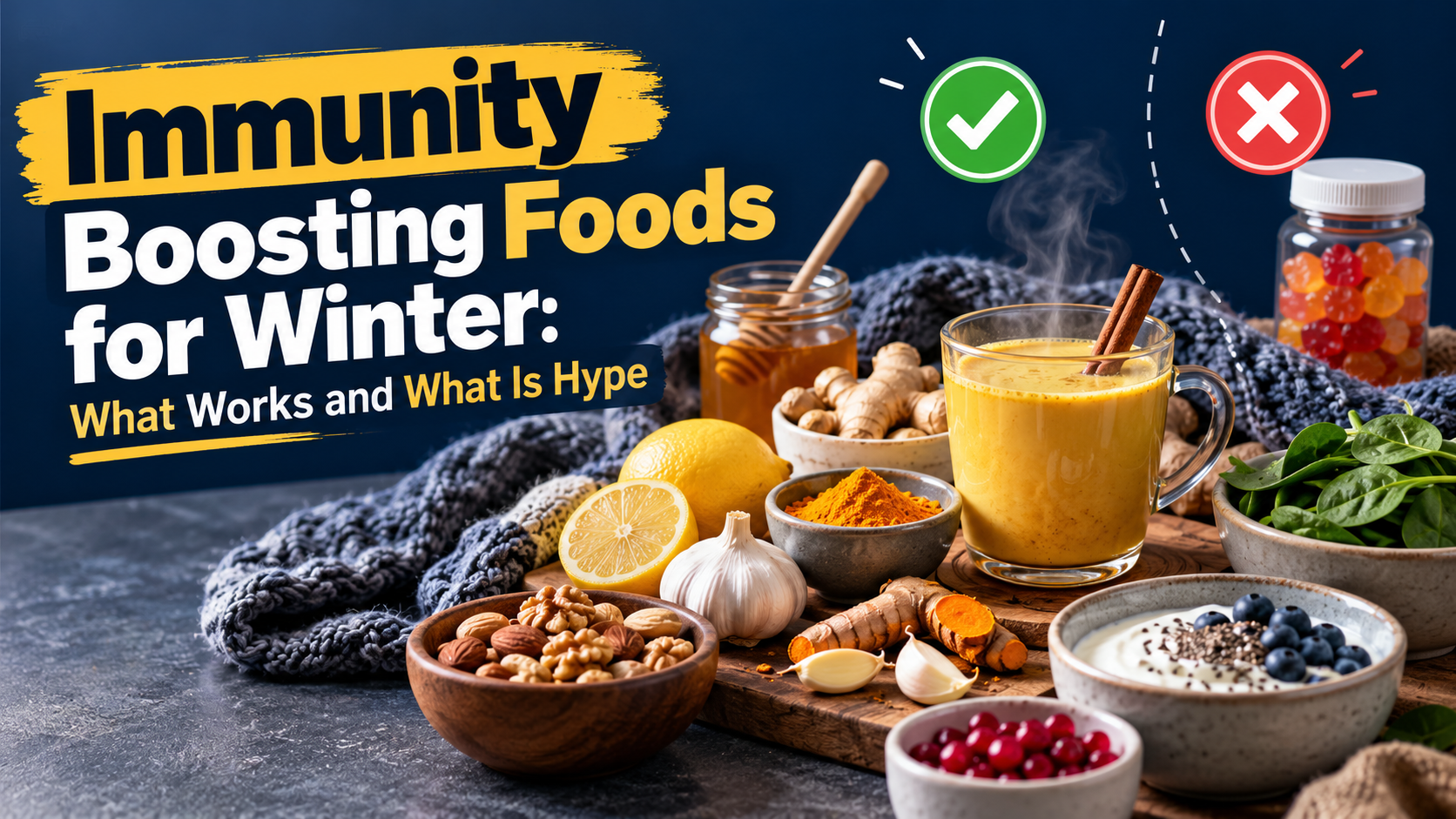
Immunity Boosting Foods for Winter: What Works and What Is Hype

Immunity boosting foods for winter: what the CDC and Rutgers say about eating well, sleep, activity, vitamin C and zinc, and which claims are hype.

October 28, 2026 6 min read
Immunity Boosting Foods for Winter: What Works and What Is Hype

Key takeaways

  • The CDC names six habits for immunity: eat well, be active, keep a healthy weight, sleep, quit smoking and limit alcohol.
  • Rutgers advises filling half your plate with fruit and vegetables, following MyPlate.
  • Extra vitamin C does not prevent colds for most people, and high doses can cause diarrhea.
  • Zinc may shorten illness only if taken early, has limited prevention evidence and can cause nausea.
  • Prefer whole foods to supplements, and talk to a healthcare provider before taking any.

The CDC’s page on enhancing immunity, dated 7 April 2026, names no single food or supplement that boosts your immune system. Instead it lists six habits: eat well, be active, keep a healthy weight, sleep enough, quit smoking and limit alcohol. That is a useful correction to the long lists of superfoods that appear every winter.

This guide to immunity boosting foods for winter separates what the evidence supports from what is hype. It uses the CDC and a November 2025 Rutgers extension article by Zellers and Kuemmerle. In short, a varied diet with plenty of fruit and vegetables helps, but no food guarantees you will avoid a cold. This is general information, not medical advice.

What the Evidence Says About Immunity and Food

The CDC does not name a magic food. It tells people to eat well, stay active, keep a healthy weight, get enough sleep, stop smoking and limit alcohol. It also warns that too much of some vitamins and minerals can be harmful, and advises talking to a provider before taking supplements.

Rutgers says the same in practical terms: use MyPlate, which means half the plate is fruit and vegetables, and prefer whole foods over supplements.

Foods Worth Eating This Winter

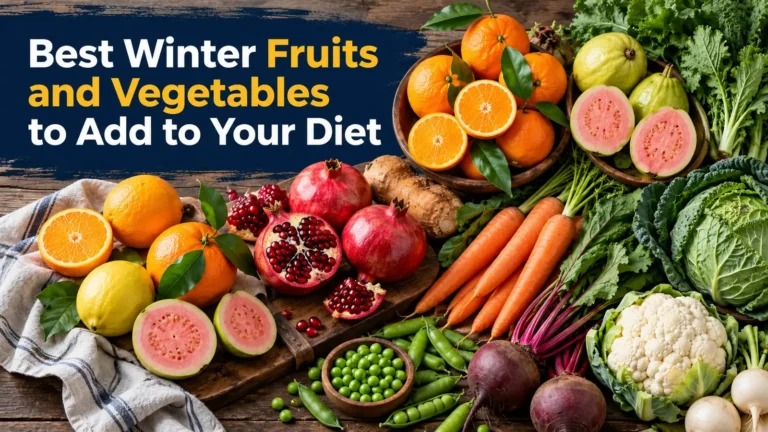
These foods do not have special immune powers, but they fit the pattern of a healthy plate. Seasonal fruit and vegetables are an easy way to fill half your plate.

Food groupWinter examplesWhy they earn a place
FruitOranges, guava, amla, papayaEasy way to fill half the plate
VegetablesPalak, methi, carrot, peas, cauliflowerVariety and fiber
Whole grains and pulsesRoti, millets, dalSteady energy and fiber
Nuts and seedsA small handfulFilling snack
FluidsWater, soups, herbal teasHydration

Our guide to healthy snack recipes and the list of vegetarian recipes can help you put these foods on the table.

Vitamin C and Zinc: Hype or Help?

Rutgers says extra vitamin C does not prevent colds for most people, and high doses can cause diarrhea. For zinc, it says it may shorten illness only if taken early, there is limited evidence it prevents illness, and it can cause nausea.

ClaimWhat Rutgers says
Vitamin C prevents coldsNot for most people; high doses can cause diarrhea
Zinc prevents coldsLimited evidence
Zinc shortens illnessMay help only if taken early; can cause nausea
Supplements vs. foodPrefer whole foods

The CDC adds that too much of some vitamins and minerals can be harmful. Talk to a provider before taking supplements, especially if you take regular medicine.

Habits That Matter More Than Any Food

Rutgers lists several steps beyond food: get a flu vaccine, be active for 150 minutes a week with two days of strength work, sleep seven to eight hours, wash hands for 20 seconds and use a sanitizer with at least 60 percent alcohol when soap is not available. Stay home when you are sick.

HabitTarget
Flu vaccineYearly, as advised by your provider
Activity150 minutes a week plus 2 days of strength
Sleep7 to 8 hours
Handwashing20 seconds with soap
SanitizerAt least 60 percent alcohol
When sickStay home

If sleep is your weak point, our guides to better sleep tonight and science-backed sleep habits are a good place to start. Our piece on signs of chronic stress is useful too.

Spotting Hype

Be cautious about claims that a single food can boost immunity, that a juice cleanse resets your body, or that high-dose supplements prevent illness. The CDC and Rutgers both point to ordinary habits instead.

If you have a medical condition, are pregnant or take medicines, ask your doctor or a dietitian before changing your diet or starting a supplement.
Related readVitamin D in Winter: Dose, Food Sources and TestingRead →

Free tools for Health

FAQs

Which foods boost the immune system in winter?

The CDC names no single food that boosts immunity. It recommends eating well, being active, keeping a healthy weight, sleeping enough, quitting smoking and limiting alcohol. Rutgers advises following MyPlate, with half the plate fruit and vegetables, and choosing whole foods over supplements. A varied winter plate is the practical answer. In other words, build a balanced plate with plenty of fruit and vegetables, and see sleep, activity and vaccines as equal partners, not afterthoughts to the menu.

Does vitamin C prevent colds?

Rutgers says extra vitamin C does not prevent colds for most people, and high doses can cause diarrhea. Eating fruit and vegetables is still a good way to get vitamin C as part of a healthy diet. Talk to a provider before taking high-dose supplements. It is better to enjoy oranges, guava and vegetables as part of regular meals than to chase large doses, which carry side effects and no guarantee of benefit.

Does zinc help with colds?

Rutgers says zinc may shorten illness only if taken early, has limited evidence for preventing illness and can cause nausea. The CDC warns that too much of some vitamins and minerals can be harmful. Ask a healthcare provider before using zinc, especially if you take other medicines. Zinc products also vary in dose and form, so read the label carefully and never exceed the amount advised by a professional, especially for children.

Are supplements better than food for immunity?

Rutgers advises preferring whole foods to supplements. The CDC says to talk to a healthcare provider before taking supplements, because too much of some vitamins and minerals can be harmful. Food also provides fiber and other nutrients that pills do not, so start with your plate. If you think you have a deficiency, a blood test and professional advice are more useful than guessing, and a doctor can recommend the safest dose for you.

What else helps me avoid getting sick in winter?

Rutgers lists a flu vaccine, 150 minutes of activity a week with two days of strength work, seven to eight hours of sleep, handwashing for 20 seconds and sanitizer with at least 60 percent alcohol. It also advises staying home when you are sick to avoid spreading illness. Staying home when ill protects colleagues and family, and small habits like these, repeated through the season, make a bigger difference than any single food or tonic.

How can I spot immunity hype?

Be cautious of claims that one food, juice or high-dose supplement will protect you. The CDC and Rutgers describe ordinary habits such as eating well, sleeping, being active and washing hands. If a claim cites no studies or promises certainty, treat it as marketing and ask a healthcare provider. Check where the claim comes from, whether it cites real research, and whether the seller profits from it, and ask a qualified professional before spending money.

Skip the Superfood List, Fix the Basics

The most useful immunity plan is also the least glamorous one: a full plate, enough sleep, regular movement and clean hands.

This week, pick one habit from the table, such as a fixed bedtime or an extra serving of vegetables, and keep it for seven days. Small, repeatable steps do more for you than any single food.

Sources: CDC: Healthy habits, enhancing immunity; Rutgers Cape May County: Staying well this winter

Was this guide helpful?
Jinal Mistry
Written by

Jinal Mistry

Jinal Mistry is the Founder of WritoryBuzz and an SEO & Digital Growth Specialist with 5+ years of experience in Technical SEO, AI SEO, International SEO, and organic growth strategy. She helps businesses improve search visibility through data-driven SEO, content optimization, search experience enhancement, and AI-focused search strategies.Having worked with clients across multiple industries and international markets, Jinal specializes in building sustainable organic growth through technical excellence, user-focused optimization, and future-ready digital marketing practices. Through WritoryBuzz, she shares insights on SEO, AI search, content strategy, digital marketing, and emerging search trends to help businesses and marketers stay ahead in the evolving digital landscape.

More from this author

Keep exploring

Have expertise to share? Write for WritoryBuzz.Read the guidelines and send us your pitch.
Become a contributor
Free tools

63 free tools for writers, SEOs and developers

Open one in your browser and start. Nothing to install, and your text stays on your device.

PrivateInstant resultsNo sign up
Write for us

Have expertise to share?

  • Original, well researched guides
  • Reviewed by our editors
  • 29 categories to publish in
Submit a guest post
© 2026 WritoryBuzz. All rights reserved.Back to top