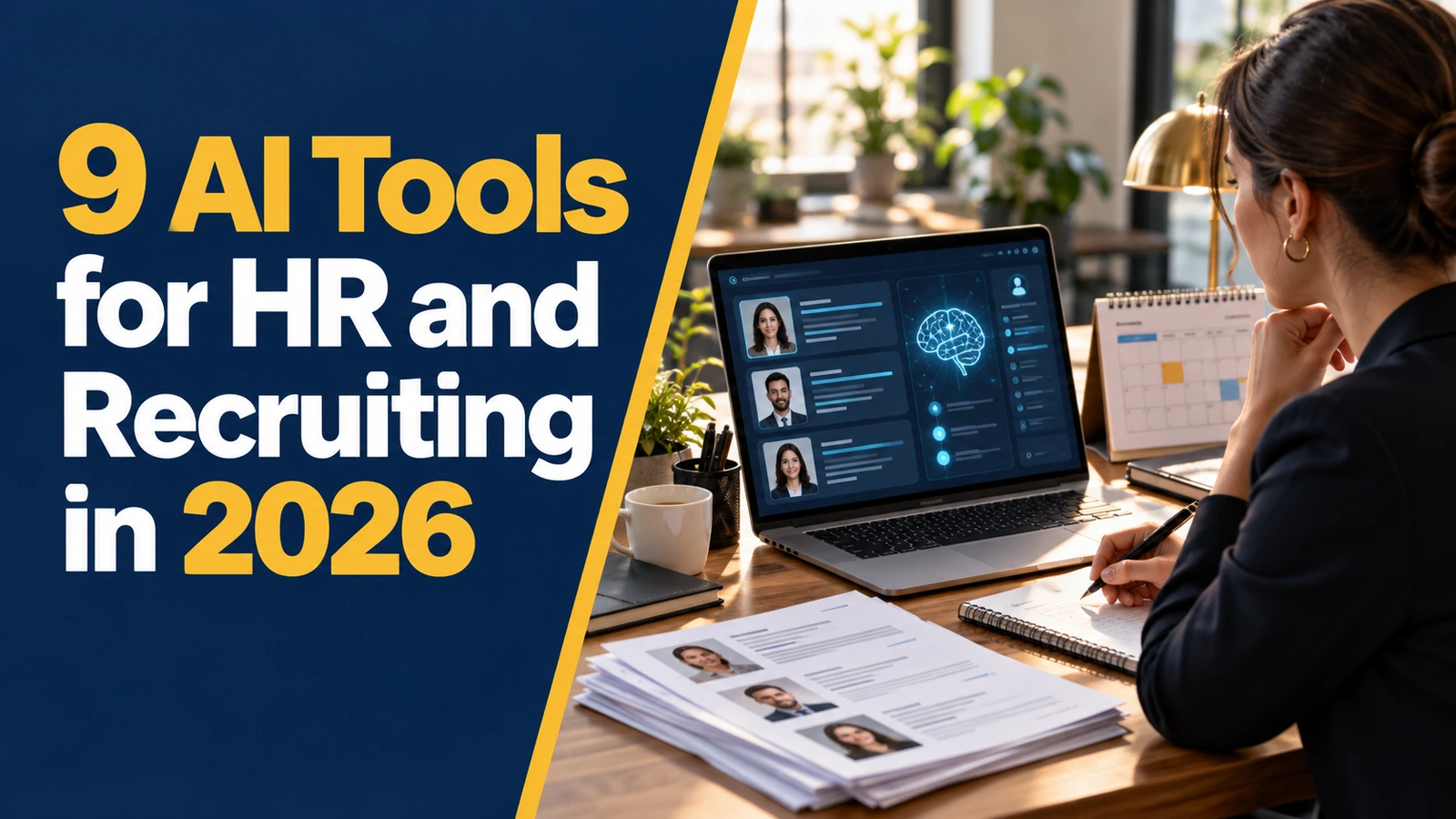
HR teams now run AI across nearly every stage of the hiring funnel, sourcing, screening, scheduling, and candidate communication, yet most tool roundups, including otherwise thorough ones like Juicebox’s own, stop at describing what each platform does without touching the three questions an HR leader actually needs answered: what it realistically costs, what bias and compliance exposure it introduces, and in what order to roll these tools out rather than adopting all nine at once. This guide covers 9 real platforms with those three gaps closed. WritoryBuzz’s guide to AI hiring bias goes deeper on the bias question specifically; this guide treats it as one factor among several in choosing and sequencing these tools.
The 9 Tools, by Hiring Stage
1. Juicebox (Sourcing and Search)
An AI-powered candidate search engine that lets recruiters query a natural-language description of an ideal candidate and returns ranked matches with ATS integration and engagement sequencing built in. Best suited for teams doing high-volume, specialized sourcing where traditional keyword search on LinkedIn or an ATS falls short.
2. HireVue (Video Interviewing and Assessment)
Structured video interviewing combined with validated, job-relevant assessments for screening at scale, commonly used by large employers running high applicant volumes for standardized roles like retail, call center, or graduate hiring programs.
3. Eightfold AI (Skills-Based Matching)
Talent intelligence software built around skills-based rather than resume-based matching, with internal mobility planning that extends the same matching engine to existing employees considering a role change inside the company.
4. Workable (All-in-One ATS With Built-In AI)
An applicant tracking system with AI woven into sourcing, job ad generation, and interview scheduling, positioned for small and mid-sized companies that want one platform rather than stitching together point solutions.
5. Paradox (Conversational Recruiting Assistant)
A chat-based assistant that handles initial candidate screening, interview scheduling, and FAQ answering automatically, reducing the administrative load on recruiters for high-volume, lower-complexity roles.
6. Beamery (Talent Lifecycle CRM)
Combines a candidate relationship management system with career-site personalization and skills intelligence, aimed at larger organizations managing long-term talent pipelines rather than single-requisition hiring.
7. Greenhouse (Structured Hiring ATS)
An applicant tracking system built around structured, consistent interview processes and a large partner ecosystem, often chosen specifically for the process discipline it enforces rather than for AI capability alone.
8. Textio (Augmented Writing for Job Descriptions)
AI-assisted writing specifically for job postings and candidate feedback, flagging language patterns linked to narrower or less diverse applicant pools and suggesting more inclusive phrasing in real time.
9. HiredScore (Compliance-Focused Talent Orchestration)
Talent orchestration software built with explainable, auditable matching specifically to satisfy compliance and bias-review requirements, often chosen by organizations in heavily regulated industries or with active DEI reporting obligations.
What These Tools Actually Cost
Nearly every platform on this list, with the partial exception of simpler point tools, prices on a quote-based or custom-tiered model scaled to company headcount and hiring volume rather than publishing a flat rate, which is why most comparison content stops short of giving real figures. The practical implication: a 50-person company evaluating Eightfold or Beamery should expect enterprise-scale pricing conversations regardless of its own size, since these platforms are built and priced around large organizations, while Workable and Paradox are more commonly positioned with pricing tiers accessible to smaller teams.
Bias and Compliance: What to Actually Check Before Buying
Most AI recruiting tools now publish some form of bias-audit documentation, but the depth varies enormously, and a vendor’s marketing claim of “bias-free” screening should be treated skeptically until the underlying audit methodology is reviewed directly. HiredScore and Textio are built specifically around auditable, explainable decision-making, making them a stronger starting point for organizations in regulated industries or facing active compliance scrutiny. WritoryBuzz’s deeper look at AI hiring bias covers the specific legal and ethical considerations this question raises in more depth than fits here.
A Rollout Sequence, Not a Nine-Tool Adoption
| Stage | Tool to Start With | Why This Order |
|---|---|---|
| 1. Fix the funnel top | Textio for job description language | Lowest-risk, highest-leverage change before adding automation elsewhere |
| 2. Add structure | Greenhouse or Workable as the core ATS | A structured process foundation before layering AI sourcing or screening on top |
| 3. Automate screening | Paradox or HireVue depending on volume | Only after the process foundation exists to screen candidates consistently |
| 4. Scale sourcing | Juicebox or Eightfold for specialized or high-volume sourcing | Highest-complexity addition, best implemented once the earlier stages are stable |