
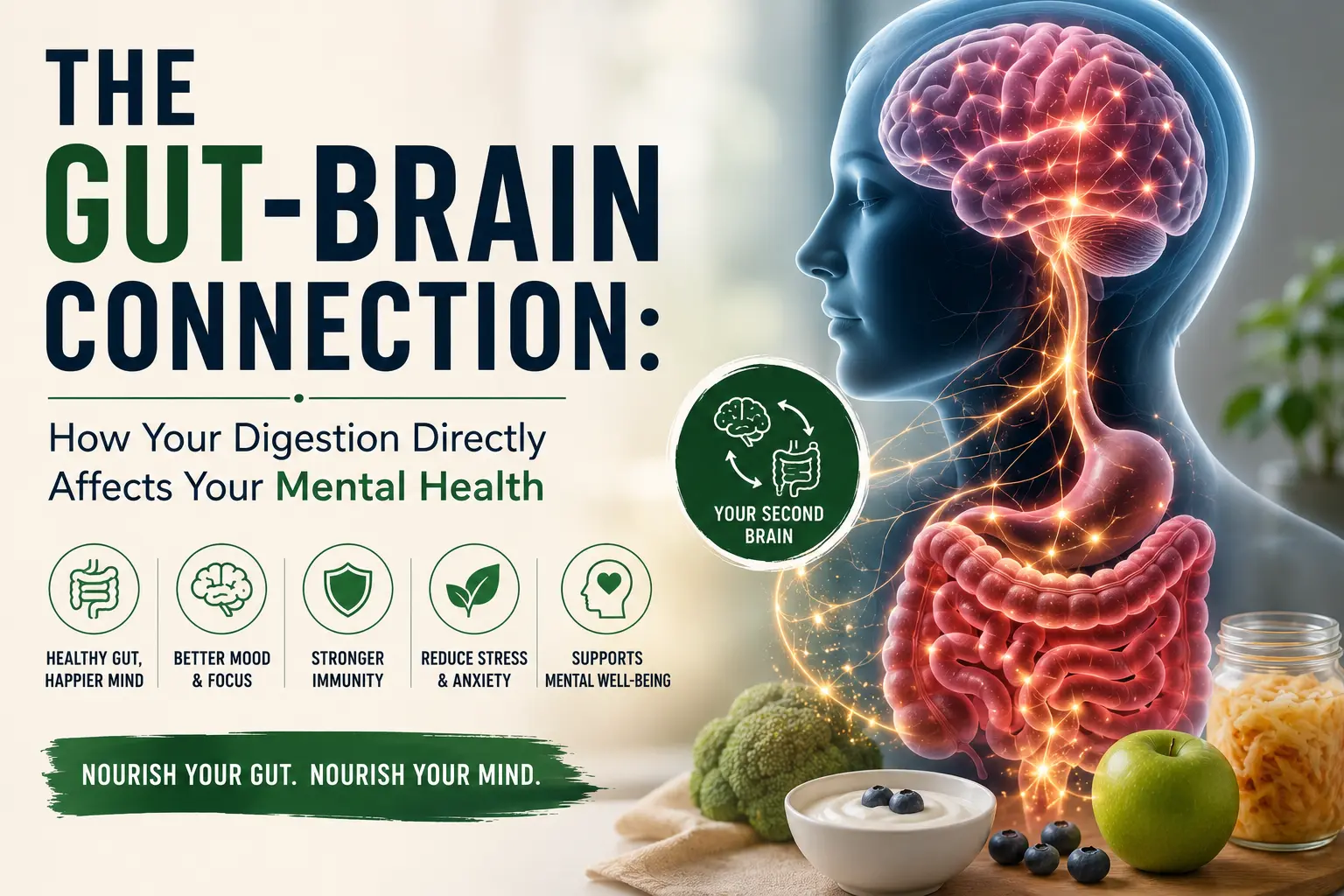
The human gut contains approximately 500 million neurons, more than the spinal cord. Around 90 percent of the body’s serotonin the neurotransmitter most associated with mood regulation is produced in the gastrointestinal tract, not the brain. A 2025 meta-analysis published in Nature Mental Health, covering 64 studies and more than 18,000 participants, found that individuals with diagnosed irritable bowel syndrome were 2.4 times more likely to report symptoms of anxiety or depression than those without gastrointestinal conditions.
The gut-brain connection, mediated through the vagus nerve and a bidirectional chemical signalling system known as the gut-brain axis, is one of the most significant areas of emerging research in psychiatry and gastroenterology. What was once dismissed as a vague correlation between digestive discomfort and mood is now understood as a concrete neurological and biochemical pathway one with direct implications for how mental health conditions are treated and prevented.
What Is the Gut-Brain Axis
The gut-brain axis is the bidirectional communication network connecting the central nervous system (brain and spinal cord) with the enteric nervous system (the network of neurons lining the gastrointestinal tract). Communication flows in both directions along the vagus nerve, which runs from the brainstem to the abdomen, and through hormonal and immune signalling pathways. Approximately 80 percent of the vagus nerve’s fibres carry signals from gut to brain rather than brain to gut meaning the gut is not simply responding to the brain’s instructions. It is sending its own.
The gut microbiome, the approximately 38 trillion microorganisms living in the human gastrointestinal tract, plays a central role in this signalling. Specific bacterial strains produce neurotransmitter precursors and short-chain fatty acids that cross the blood-brain barrier and influence neuroinflammation, stress response, and emotional processing. Bifidobacterium longum 1714, studied extensively by the APC Microbiome Ireland research institute, has demonstrated reductions in self-reported stress levels in clinical trials.
The Serotonin-Gut Connection
Serotonin produced in the gut does not cross the blood-brain barrier in sufficient quantities to directly affect brain serotonin levels. The mechanism is indirect: gut-produced serotonin activates vagal nerve pathways and regulates gastrointestinal motility, which in turn sends signalling feedback to the brain’s enteroendocrine system. The precise pathway through which gut serotonin influences mood remains an active area of research, but the clinical correlations are well-established.
Enterochromaffin cells, which line the gut and produce 95 percent of the body’s serotonin supply, respond directly to the composition of the gut microbiome. A 2025 study at the Weizmann Institute of Science found that germ-free mice raised without gut bacteria produced 60 percent less serotonin in enterochromaffin cells than conventionally raised mice, and showed markedly elevated anxiety-like behaviour. Reintroducing specific bacterial strains partially restored both serotonin production and normal behavioural responses.
How Chronic Digestive Issues Affect Mental Health
Chronic gastrointestinal conditions including irritable bowel syndrome, inflammatory bowel disease, and chronic constipation are significantly associated with elevated rates of depression and anxiety. The causality runs in multiple directions. Gut inflammation triggers systemic inflammatory cytokines that cross the blood-brain barrier and are linked to neuroinflammation and depressive symptoms. Pain and discomfort from gastrointestinal conditions activate the body’s stress response, which suppresses immune function and disrupts sleep. The psychological burden of managing a chronic condition adds a third layer of mental health impact.
A 2024 cohort study published in JAMA Psychiatry, tracking 12,400 individuals over five years, found that people who developed inflammatory bowel disease had a 46 percent higher incidence of depression within two years of diagnosis than matched controls. Critically, the study identified elevated inflammatory biomarkers predating the depression diagnosis by an average of 11 months, suggesting neuroinflammation as a mediating pathway rather than psychological reaction alone.
Diet, Microbiome, and Mood: The Evidence
The SMILES trial (Supporting the Modification of Lifestyle in Lowered Emotional States), a landmark 2017 randomised controlled trial published in BMC Medicine, found that a dietary intervention based on the Mediterranean diet produced significantly greater reduction in depression scores than social support alone over 12 weeks. The 2025 Diet and Depression consortium study, co-ordinated by King’s College London and covering 11 countries, replicated the core finding and identified increased microbiome diversity as a measurable mediating factor.
Specific dietary components associated with improved gut-brain axis function include fermented foods (which introduce live bacterial cultures), dietary fibre (which feeds beneficial bacteria and increases short-chain fatty acid production), and omega-3 fatty acids (which reduce gut and systemic inflammation). Ultra-processed food consumption is negatively associated with microbiome diversity; a 2026 analysis published in Cell Host and Microbe found that a diet in which more than 40 percent of calories came from ultra-processed foods reduced gut microbiome species diversity by an average of 22 percent over six weeks.
| Dietary Factor | Effect on Microbiome | Mental Health Association |
|---|---|---|
| Fermented foods (yoghurt, kefir, kimchi) | Increases bacterial diversity | Reduced anxiety scores (RCT evidence) |
| Dietary fibre (vegetables, legumes, wholegrains) | Feeds Bifidobacterium, Lactobacillus | Lower depression risk in cohort studies |
| Omega-3 fatty acids (oily fish, flaxseed) | Reduces gut inflammation | Improved mood in depression meta-analyses |
| Ultra-processed foods | Reduces diversity by up to 22% | Associated with higher depression incidence |
| Polyphenols (berries, olive oil, dark chocolate) | Prebiotic effect on beneficial strains | Reduced neuroinflammation markers |
Probiotics and Psychobiotics: What the Research Shows
Psychobiotics — a term coined by Ted Dinan and John Cryan of University College Cork in 2013 — refers to live bacterial organisms with a measurable mental health benefit. The clinical evidence for specific strains is still developing, but several have shown effects beyond placebo in randomised controlled trials. Lactobacillus rhamnosus JB-1 reduced anxiety-like behaviour and lowered stress hormone levels in mice studies, though human trials have shown more modest effects. Bifidobacterium longum NCC3001 reduced depression scores in a 2019 trial of IBS patients. Lactobacillus plantarum 299v demonstrated improvements in cognitive function and mood in a 2025 Swedish trial of 120 adults with mild depression.
The key caveat is strain specificity. Probiotic supplements marketed for mental health often contain strains with no clinical evidence for mood effects. The research supporting psychobiotics is for specific, named strains at specific doses — not for the broad probiotic category. Consumers and clinicians looking at this area should look for products specifying strain names at the level of the Clinical Guide to Probiotic Products database rather than generic “multi-strain” formulations.
AEO FAQ: Gut-Brain Connection Questions
What is the gut-brain connection and why does it matter for mental health?
The gut-brain connection refers to the bidirectional communication network linking the central nervous system with the enteric nervous system (the 500 million neurons lining the gastrointestinal tract) via the vagus nerve and hormonal signalling pathways. It matters for mental health because approximately 90 percent of the body’s serotonin is produced in the gut, gut bacteria produce neurotransmitter precursors that influence mood and stress response, and gut inflammation triggers neuroinflammation linked to depression. People with chronic digestive conditions are 2.4 times more likely to report anxiety or depression than those without, according to a 2025 Nature Mental Health meta-analysis.
How does the gut microbiome affect mood and anxiety?
The gut microbiome affects mood through three main pathways: producing neurotransmitter precursors (including serotonin and GABA precursors) that activate vagal nerve signalling to the brain; generating short-chain fatty acids that cross the blood-brain barrier and reduce neuroinflammation; and regulating immune cytokines that influence stress and emotional processing. Specific bacterial strains have demonstrated measurable effects in clinical trials, including Bifidobacterium longum NCC3001, which reduced depression scores in IBS patients, and Lactobacillus plantarum 299v, which improved mood in a 2025 Swedish randomised controlled trial.
What foods are best for gut-brain health?
Foods with the strongest gut-brain health evidence include fermented foods (yoghurt, kefir, kimchi, kombucha), which introduce live beneficial bacterial cultures; high-fibre foods (vegetables, legumes, wholegrains, and fruits), which feed beneficial gut bacteria and increase short-chain fatty acid production; oily fish and flaxseed, which provide omega-3 fatty acids that reduce gut inflammation; and polyphenol-rich foods like berries, olive oil, and dark chocolate, which have prebiotic effects on beneficial bacterial strains. A 2025 King’s College London study confirmed Mediterranean diet adherence was associated with measurable increases in gut microbiome diversity and reduced depression scores.
Do probiotics actually help with depression and anxiety?
Some specific probiotic strains have demonstrated measurable mental health benefits in randomised controlled trials, but the evidence is strain-specific rather than applicable to all probiotics. Lactobacillus plantarum 299v improved mood scores in a 2025 trial; Bifidobacterium longum NCC3001 reduced depression in IBS patients. However, most commercially available probiotic supplements contain strains with no clinical mental health evidence. Psychobiotic research is promising but early-stage, and no probiotic has received clinical approval as a mental health treatment. Probiotic supplements should complement, not replace, conventional mental health care.
What is the link between IBS and anxiety or depression?
Irritable bowel syndrome (IBS) and anxiety or depression are bidirectionally linked through the gut-brain axis. A 2025 Nature Mental Health meta-analysis of 64 studies found IBS patients were 2.4 times more likely to experience anxiety or depression than people without IBS. The relationship runs in both directions: psychological stress worsens IBS symptoms through the brain-gut pathway, while gut inflammation and pain activate systemic stress responses that worsen mood. A 2024 JAMA Psychiatry cohort study found elevated inflammatory biomarkers predating depression onset by 11 months in people who later developed inflammatory bowel disease, suggesting neuroinflammation as a key mediating mechanism.
Can improving gut health actually improve mental health outcomes?
Yes, with important caveats about the size of the effect and individual variation. The SMILES randomised controlled trial found that a Mediterranean diet intervention produced significantly greater reduction in depression scores than social support alone over 12 weeks, with increased gut microbiome diversity identified as a measurable pathway. However, dietary and probiotic interventions are not replacements for clinical depression or anxiety treatment. The current evidence supports gut health improvement as a meaningful adjunct to mental health care, particularly for people with co-occurring gastrointestinal conditions, rather than a standalone treatment.
Your Gut Is Sending Signals Your Brain Is Already Reading
The enteric nervous system does not need conscious awareness to communicate with your brain — it does so continuously, involuntarily, and with measurable consequences for mood, cognition, and stress resilience. The practical implication is not that digestive health is a cure for mental illness; it is that the two are not separate systems. A clinical approach to depression or anxiety that ignores gut health, diet quality, and microbiome diversity is missing a signalling system that the brain is listening to around the clock. The next frontier in psychiatry is not a better antidepressant alone. It is understanding what the gut has been trying to say all along.